

A delayed Certificate of Occupancy (CO) costs more than just time—it costs money. Whether it’s liquidated damages for missing a handover date or the cost of recalling trades to fix punch list items, the final days of a construction project are critical.
Cleaning is often the last hurdle between a finished build and a signed CO. Yet, many contractors treat it as an afterthought, hiring standard janitorial crews who aren’t trained for the rigors of a job site. The result? Failed fire inspections due to dusty sprinkler heads, scratched luxury glass, and poor air quality.
At Costina, we don’t just clean; we prepare buildings for inspection. We’ve compiled the exact checklist our teams use to ensure successful handovers for General Contractors across the DC Area. Learn more about our Post-Construction Cleaning services:
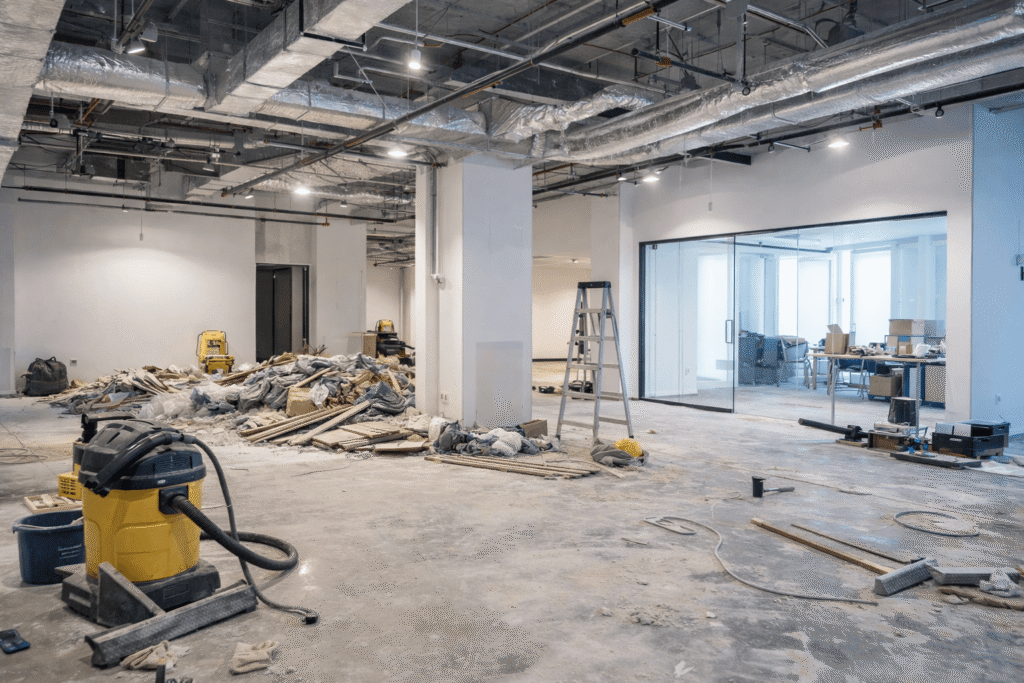
Phase 1: The Rough Clean Checklist (Preparing for Finishes)
The “Rough Clean” isn’t about making the site pretty; it’s about safety and efficiency. This phase typically happens after framing, plumbing, and electrical rough-ins are complete, but before flooring and paint. The goal is to clear the path for the finishing trades.
The Rough Clean Checklist
Large Debris Removal:
Remove all heavy trash, drywall scraps, and leftover lumber to a designated dumpster.
Sub-Floor Prep:
Scrape dried drywall mud and joint compound from concrete or plywood sub-floors. This is critical to prevent uneven flooring installation later.
Sticker Removal:
Peel manufacturer labels from windows, bathtub inserts, and toilets (before the adhesive cures and becomes difficult to remove).
Safety Hazard Check:
Ensure no nails, screws, or sharp debris are left in high-traffic corridors.
Phase 2: The Final Clean Checklist (The "Deep Clean")
Once the trades have demobilized, the “Final Clean” begins. This is the detailed restoration process that turns a construction site into an occupiable building. This phase requires specialized equipment and chemistry to protect new finishes.
The Final Clean Checklist
High Dusting & Air Quality:
Vacuum all high-level ledges, ceiling fans, vents, and diffusers. We use HEPA filtration to capture silica and construction dust rather than simply pushing it back into the air.
Glass & Window Detailing:
Clean interior and exterior glazing. Crucial Note: Never use razor blades on tempered glass without testing first, as this can cause permanent “fabricating debris” scratches.
Kitchens & Cabinetry:
It’s not enough to wipe the doors. You must vacuum and damp-wipe the inside of all drawers, cabinets, and millwork to remove hidden sawdust and hardware clippings.
Floor Care:
Clean all floors according to manufacturer specs. Use pH-neutral cleaners for LVT, natural stone, and sealed concrete to protect warranties. This level of detail is similar to the process used in professional Deep Cleaning services:
Phase 3: The Safety & Systems Check (The "Fire Marshal" List)
This is the step most standard cleaning companies miss. A Fire Marshal or Building Inspector isn’t looking for smudges on the wall; they are looking for life safety obstructions. Failing this check means a failed inspection.
The Inspection-Ready Checklist
Fire Sprinkler Heads:
Delicately hand-wipe every sprinkler head. A layer of construction dust can insulate the thermal element, potentially causing a malfunction during a fire.
Smoke Detectors:
Vacuum and wipe exterior covers to prevent false alarms caused by airborne drywall dust.
Electrical Panels:
Open and vacuum utility closets and electrical panels (if safe/authorized) to ensure no combustible debris is left inside.
Emergency Lighting:
Ensure all exit signs and emergency lighting fixtures are polished and dust-free.Professional post-construction cleaning ensures these safety checks are completed before final inspections.
Red Flags: Signs Your Cleaning Crew is Damaging the Site
Not all cleaning crews are equipped for post-construction work. If you see your current vendors doing any of the following, they are putting your project at risk:
Using Dry Rags on Drywall:
This drags abrasive dust across the paint, creating smudges that force painters to do rework.
Using Metal Scrapers on Tempered Glass:
This is the #1 cause of scratched windows. Specialized plastic blades or wool pads should be used.
Blowing Dust:
Using compressed air or leaf blowers indoors simply redistributes hazardous silica dust onto freshly cleaned surfaces.
Ignoring PPE:
If the cleaners aren’t wearing hard hats and safety vests, they are a liability to your site safety rating.Learn the difference between Post-Construction Cleaning and standard commercial cleaning:
Conclusion: Don't Leave Your Handover to Chance
Your project isn’t finished until the client accepts the keys. A professional post-construction cleaning team is your insurance policy against last-minute delays and failed walkthroughs.
Does your current project need a team that executes this checklist as standard procedure?
Don’t risk your handover date with a standard cleaning crew. Send us your floor plans or site schedule today for a competitive proposal that keeps your project on track.